GEO vs SEO: What US/EU Brands Need to Know in 2026
The common misconception
When GEO (Generative Engine Optimization) entered the marketing vocabulary in 2024, the hot take was loud: "GEO replaces SEO."
That's wrong. GEO and SEO target different engines, different content units, and different signals. Dropping one to chase the other is like deleting your Google listing to chase TikTok — you'd lose 60% of your base traffic.
In 2026, US/EU brands need both. Here is the side-by-side breakdown we use with clients.
SEO vs GEO — the structural differences
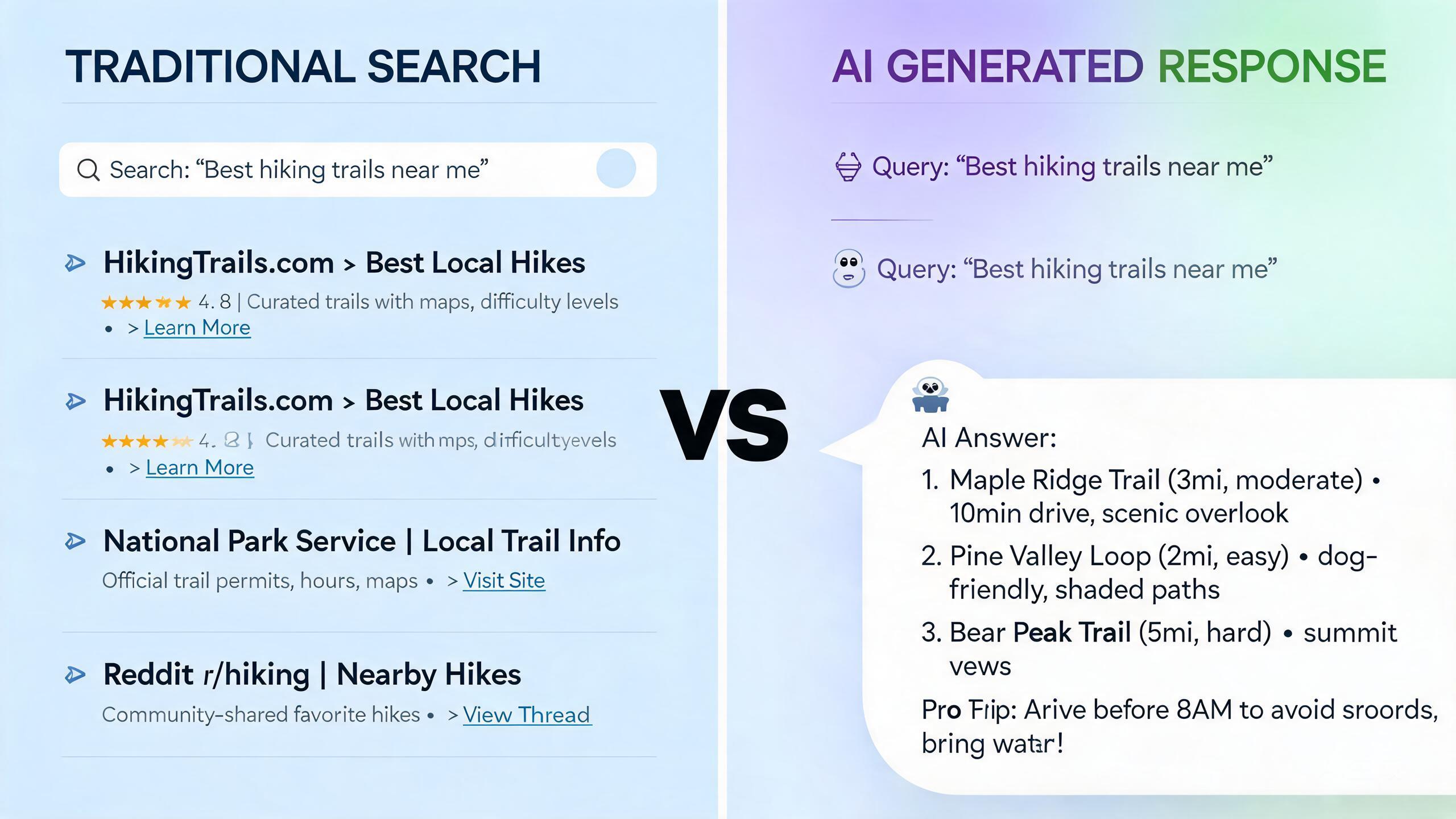
| Dimension | SEO | GEO | |---|---|---| | Target engine | Google | Perplexity, ChatGPT Search, Google AI Overviews | | Discovery unit | Page | Answer | | Primary signal | Backlinks | Citations + structured data | | Content format | Keyword-optimized | Question-first, FAQ-block | | Measurement | Ranking | Mention frequency | | Audience path | Click 10 blue links | Read AI-generated answer | | Crawl bot | Googlebot | PerplexityBot, ChatGPT-User, anthropic-ai |
The key insight: SEO pages can rank without being cited in AI answers. AI answers can cite you without your page ranking #1. They are separate games.
Why SEO still matters
Google still routes 60-70% of US/EU e-commerce organic traffic (Source: SimilarWeb, 2025). Dropping SEO to "do only GEO" would surrender that baseline.
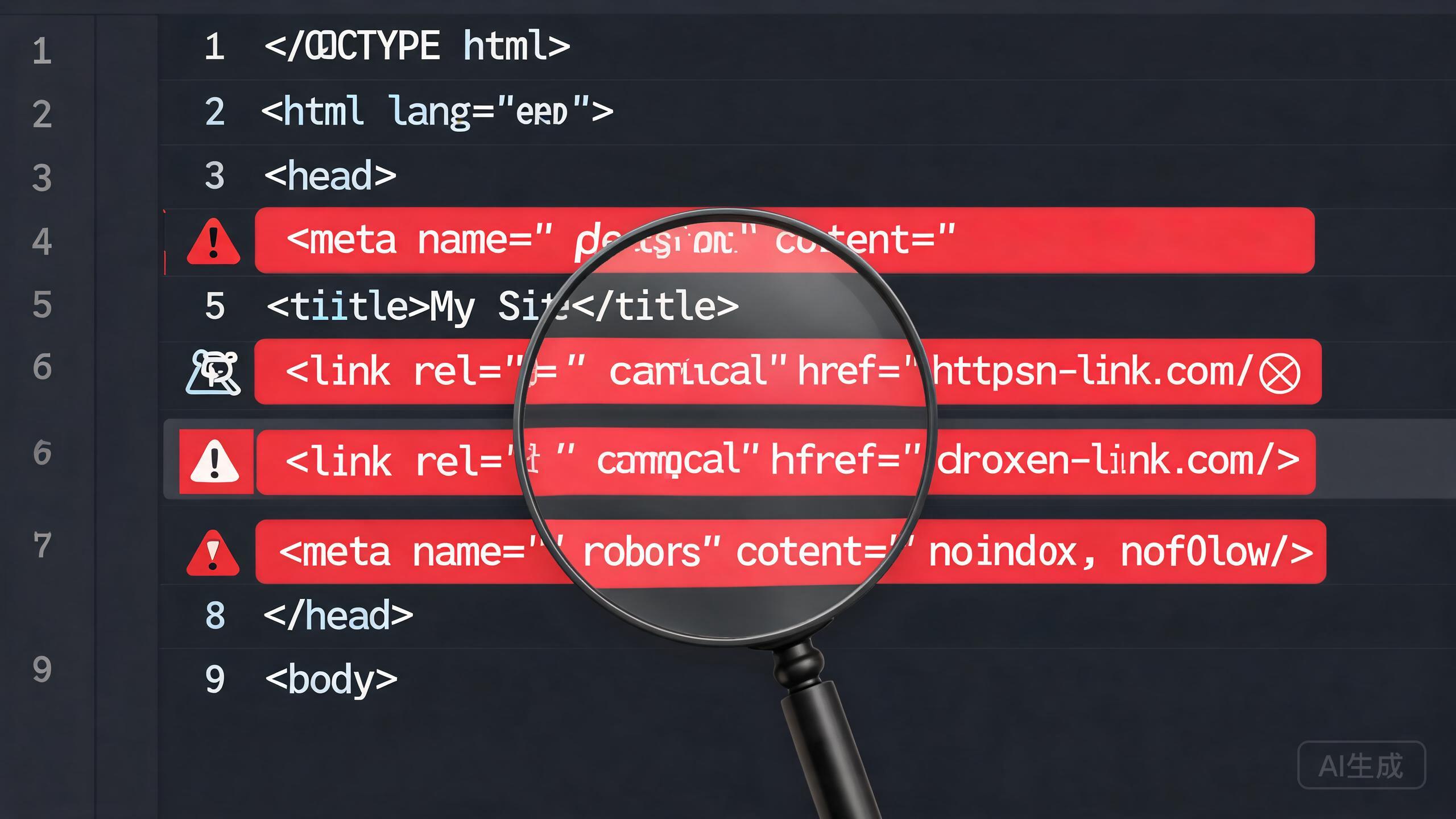
SEO also feeds GEO. The technical foundation (page speed, clean URLs, internal linking, Schema.org) is shared between SEO and GEO. Fixing one fixes the other.
Why GEO matters now
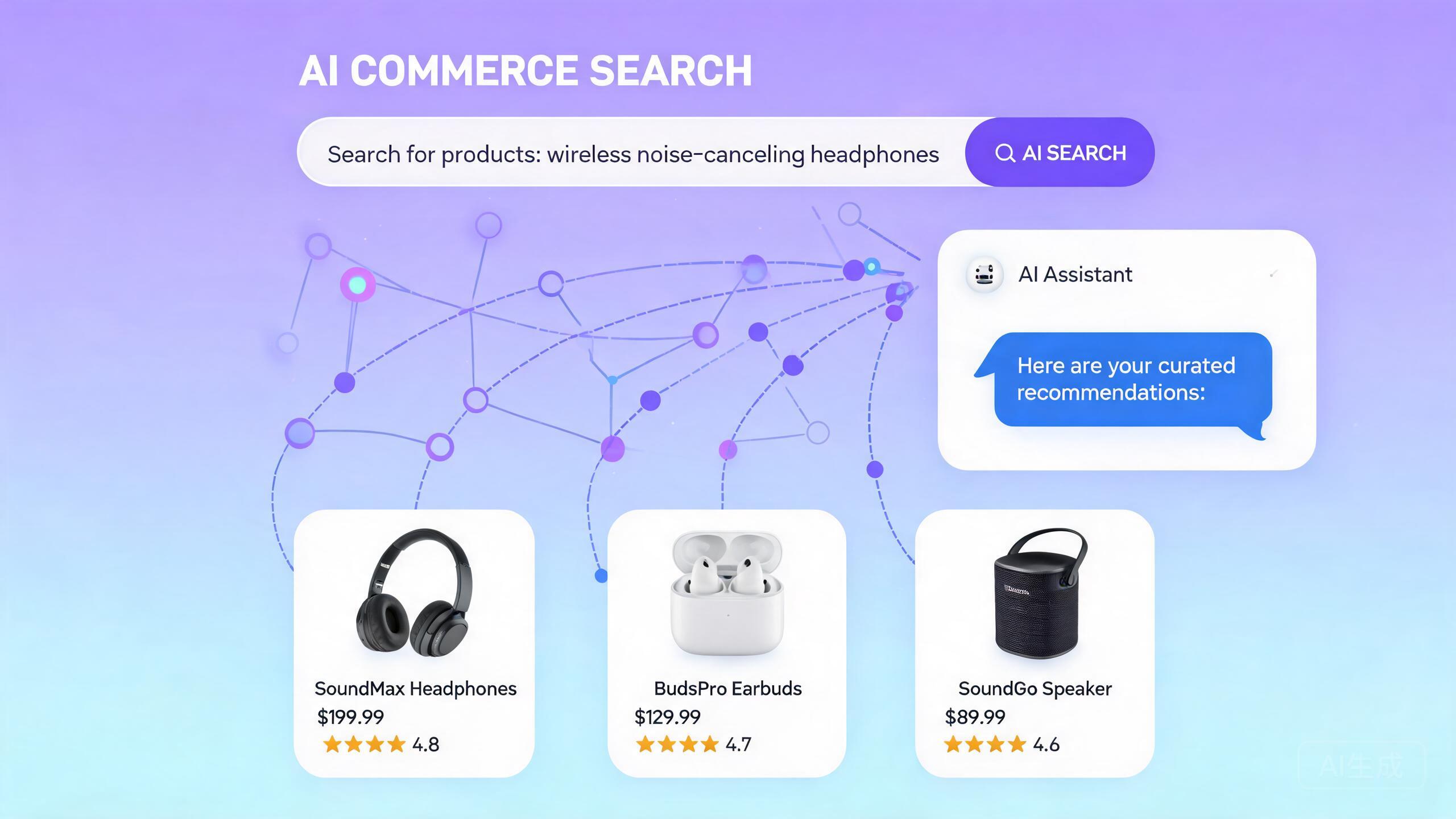
AI answer engines route an estimated 37% of product discovery queries (Source: Authoritas / SparkToro, 2025). That share is growing roughly 6-8% per quarter.
The brands already doing GEO consistently report 2-3x growth in AI-search referrals within 6 months — traffic that goes from zero (uncited) to meaningful (regularly cited in AI answers).
The 2026 stack
For US/EU brands, the practical 2026 stack is:
- SEO foundation — keep your Google baseline. Technical health, keyword targeting, content production.
- GEO layer on top — question-first content reshaping, Schema.org for AI crawlers, AI-crawler-friendly robots.txt, sitemap submission to Perplexity and Bing (for ChatGPT Search).
- Shared measurement — track Google ranking (Search Console) AND AI citation frequency (manual Perplexity/ChatGPT checks, or tools like Profound).
The 4-step GEO framework
- Structured content — question-first layout, FAQPage blocks.
- Schema.org markup — Product, FAQ, Article, Organization with
sameAs. - Trust signals — citations, reviews, author bios.
- Technical health — page speed, clean URLs, AI-crawler-friendly robots.txt.
Free SEO + GEO audit (limited 6/mo)
We run a free 30-min combined SEO + GEO audit for US/EU Shopify brands. Limited to 6 slots per month.
Claim yours → transatlas.co/services/1
Sources: SimilarWeb E-commerce Traffic Trends 2025; Authoritas AI Search Visibility Report 2025; SparkToro Where Google Searches Go 2025.